Let’s Talk About the Why and How
Let’s have an honest conversation—about pricing, process, and everything in between.
I know photography pricing can sometimes feel like a mystery, especially in the horse world. So I want to pull back the curtain a bit. Not to justify myself, but to be transparent about what I do, why I do it, and what your investment really supports.
Why My Pricing Is What It Is
Let’s start here: I’m not just a photographer—I’m an equine photographer. And that matters.
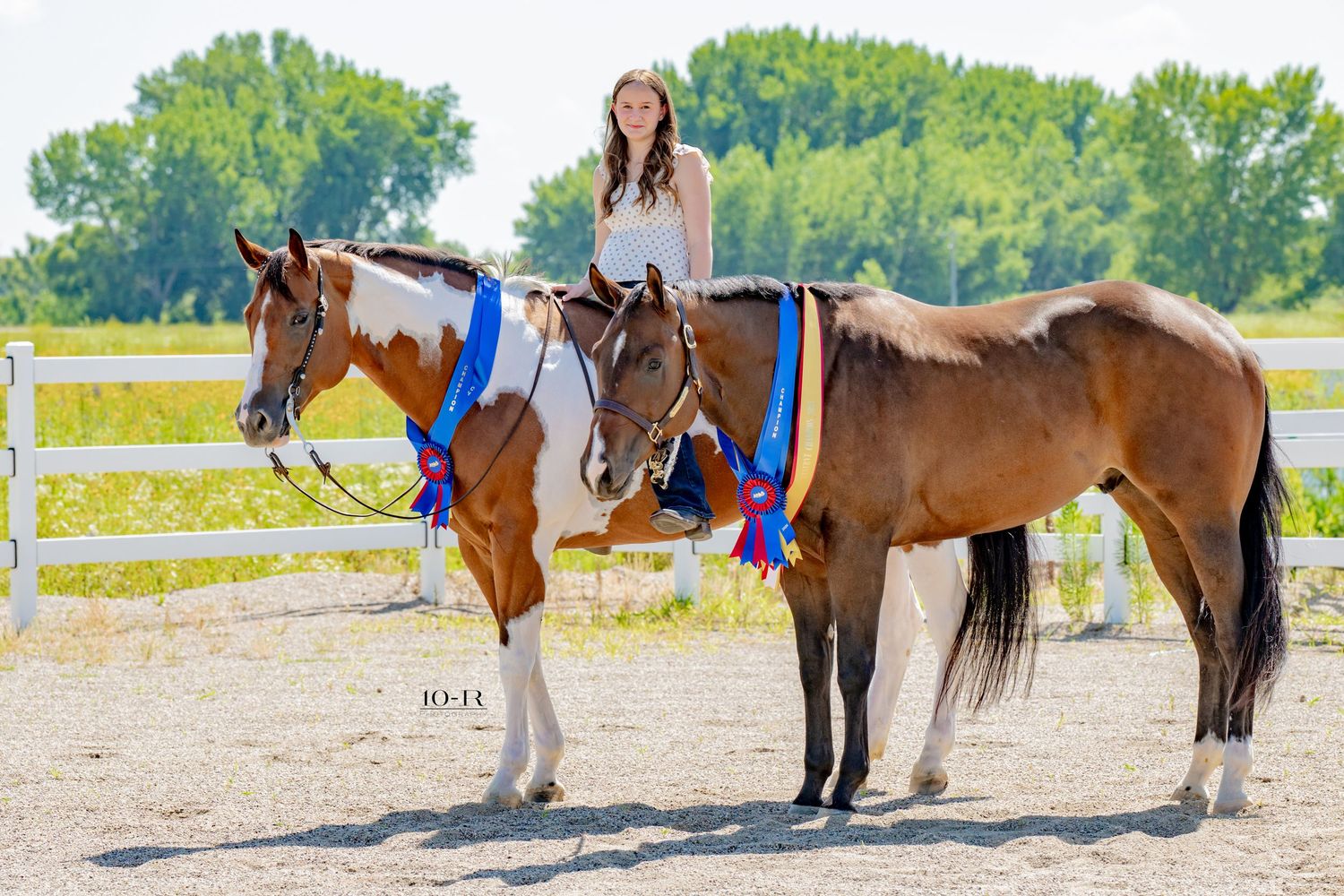
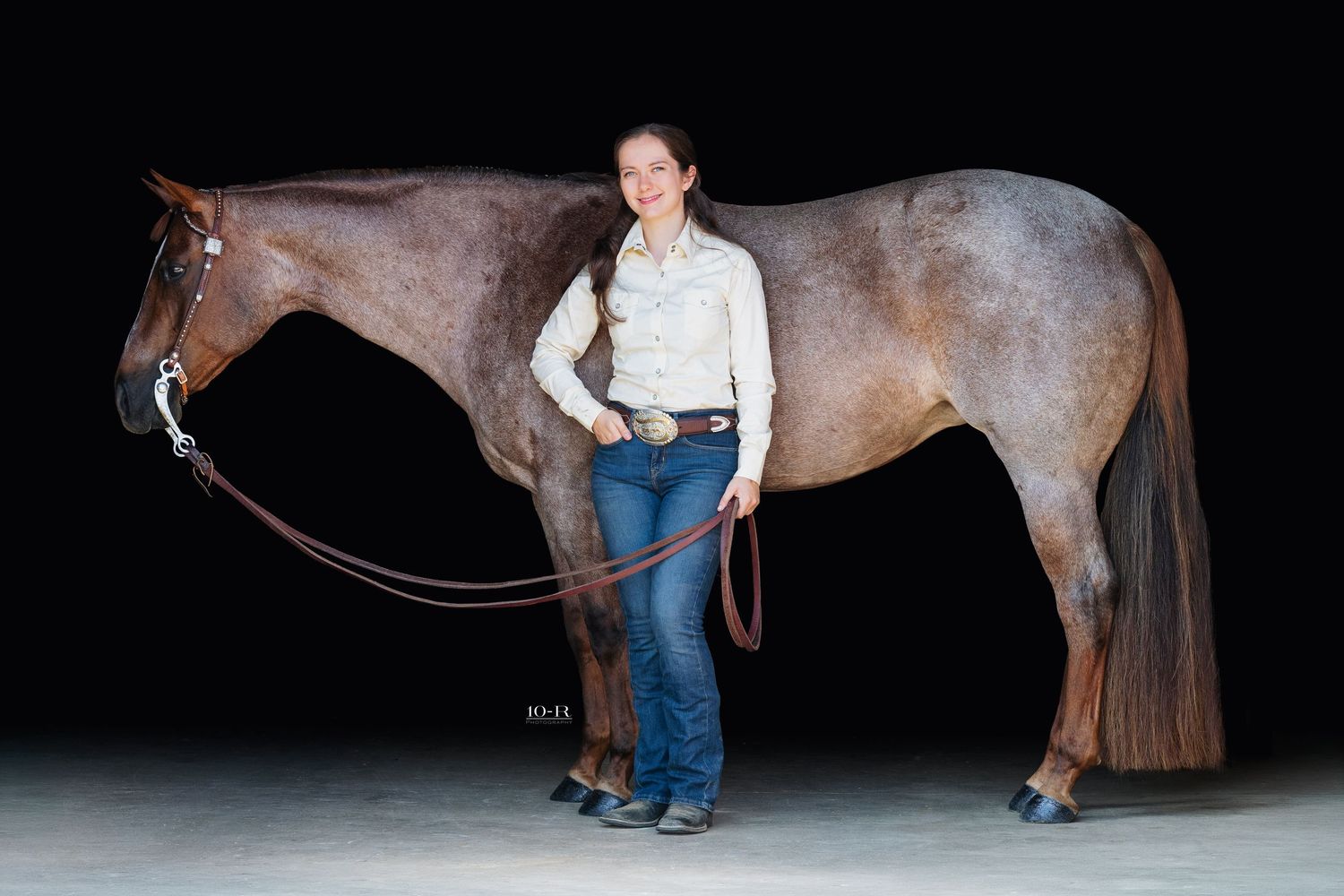
Sure, timing and camera settings play a role, but what really sets equine photographers apart is our comfort and experience around horses. I know what proper conformation looks like. I know when a horse is standing awkwardly and when they’re standing correctly. I know how to read a horse’s expression, how to make sure ears are up, how to wait for just the right moment so your horse looks their best. Sometimes, I even set the horse up myself. I’ve shown for years, and I’ve been through enough judging classes to know what angles flatter and which ones don’t. It’s not just about clicking a button—it’s about knowing the subject.
Now, let’s talk about cost. I’m very aware that my pricing falls on the lower end of the scale—and a lot of people don’t realize just how low. I still have a full-time job, which covers my personal needs and keeps the lights on. That means I can keep my photography rates more affordable—for now. I do work that, truthfully, I probably should be charging more for, but I’m holding off on raising prices until I decide to take this business full-time. At the moment, every bit of profit I make goes right back into my business so I can grow, improve, and bring you better results.
So, if you’re ever unsure, I encourage you: Compare my work with others who offer the same level of quality and horse-specific experience. Look at the consistency, the attention to detail, the way horses are presented, and what’s included in the final product. I don’t bring this up to make anyone uncomfortable—I bring it up because I believe in being transparent, and I’m proud of the value I offer. After all, I’ve been doing this for 9 years.
And hey—if you truly don’t believe it’s worth hiring an equine photographer, that’s okay! But if you decide to go with your typical in-town photographer—maybe one wearing open-toed shoes and staying 10 feet away from your horse—I just encourage you to compare the results. Your horse deserves someone who knows how to bring out their best.
The Horse Show Side of Things
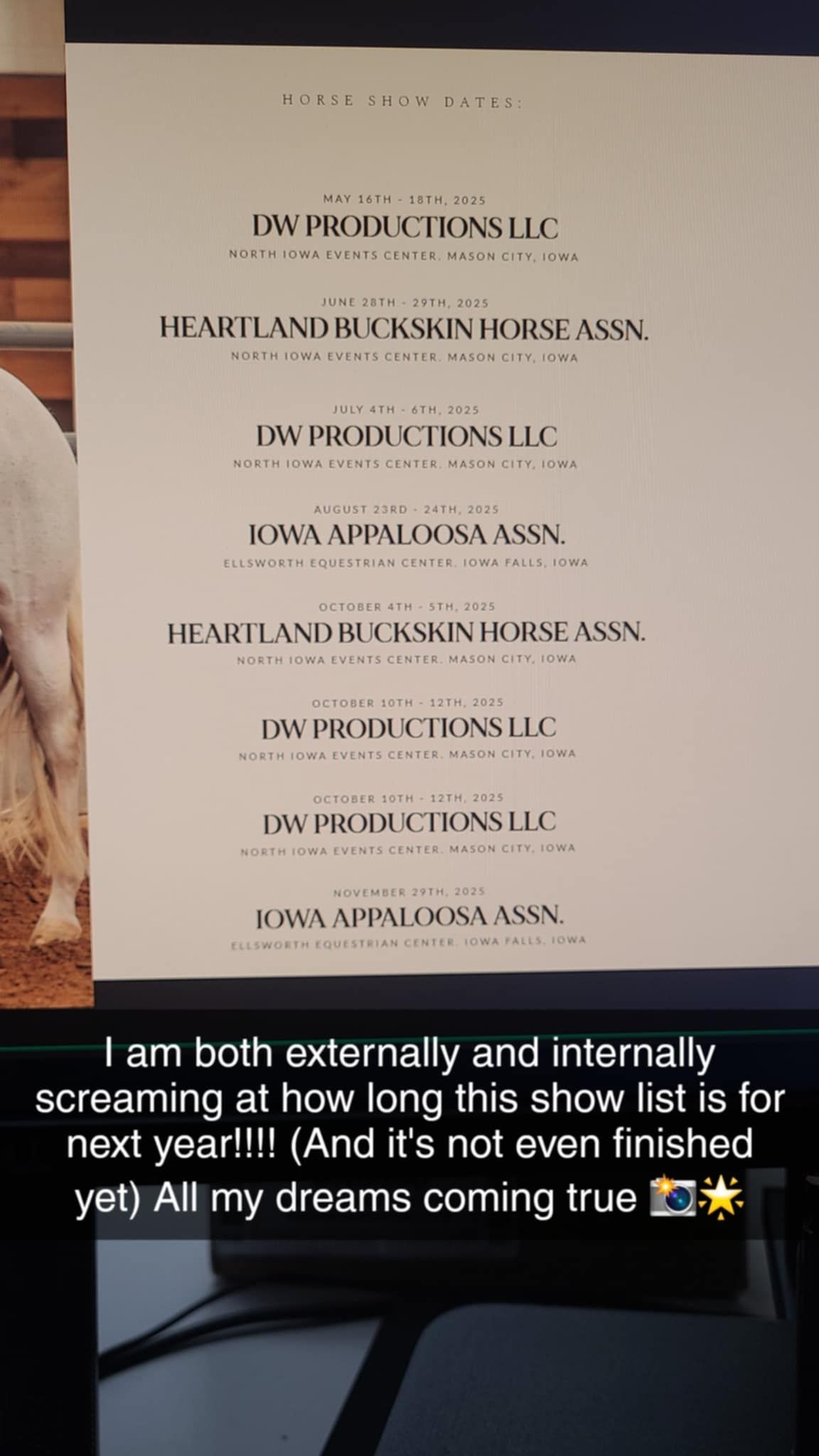
Let’s clear this up too: When I’m the official photographer at a show, I don’t charge the show management to be there. I’m contracted to cover the event, yes—but all of my income comes from image sales. That means my pricing reflects my time, my travel, and my growing list of expenses (which, thanks to growth, are now often approaching or exceeding $1,000 per show).
I bring a hired team, and I spend countless hours after the show each night making sure everything is uploaded and ready. I love being at these shows—and I know the exhibitors and show managers I work with love having me there too—but just like you invest hundreds of dollars to participate, I invest just as much -if not more- to be there. And if I can’t make that money back? It gets really hard to justify continuing to offer this service. At that point, I'd rather just join you in the show pen.
Why That Watermark Exists
Let’s talk about that big, annoying watermark. Yeah, I know—it’s not pretty. But it’s there for a reason: to prevent image theft.
Why is that a big deal? Because if my images are being stolen and shared without being purchased, I can’t continue doing this. Smaller shows often don’t bring in enough to cover the true cost of being there, but I still choose to go because they matter. I want those riders and moments to be seen, too. But I can’t put in 12-hour days and then hand out free images on top of it.
It’s simple. When someone screenshots and shares an image, it’s not “just sharing”—it’s taking income away from a small business that’s already stretched thin. And when that happens often enough, photographers like me stop showing up. Not out of spite—but out of necessity.
What I Personally Do at Every Show
Since this whole post is about transparency, let’s talk about what I personally do at each show.
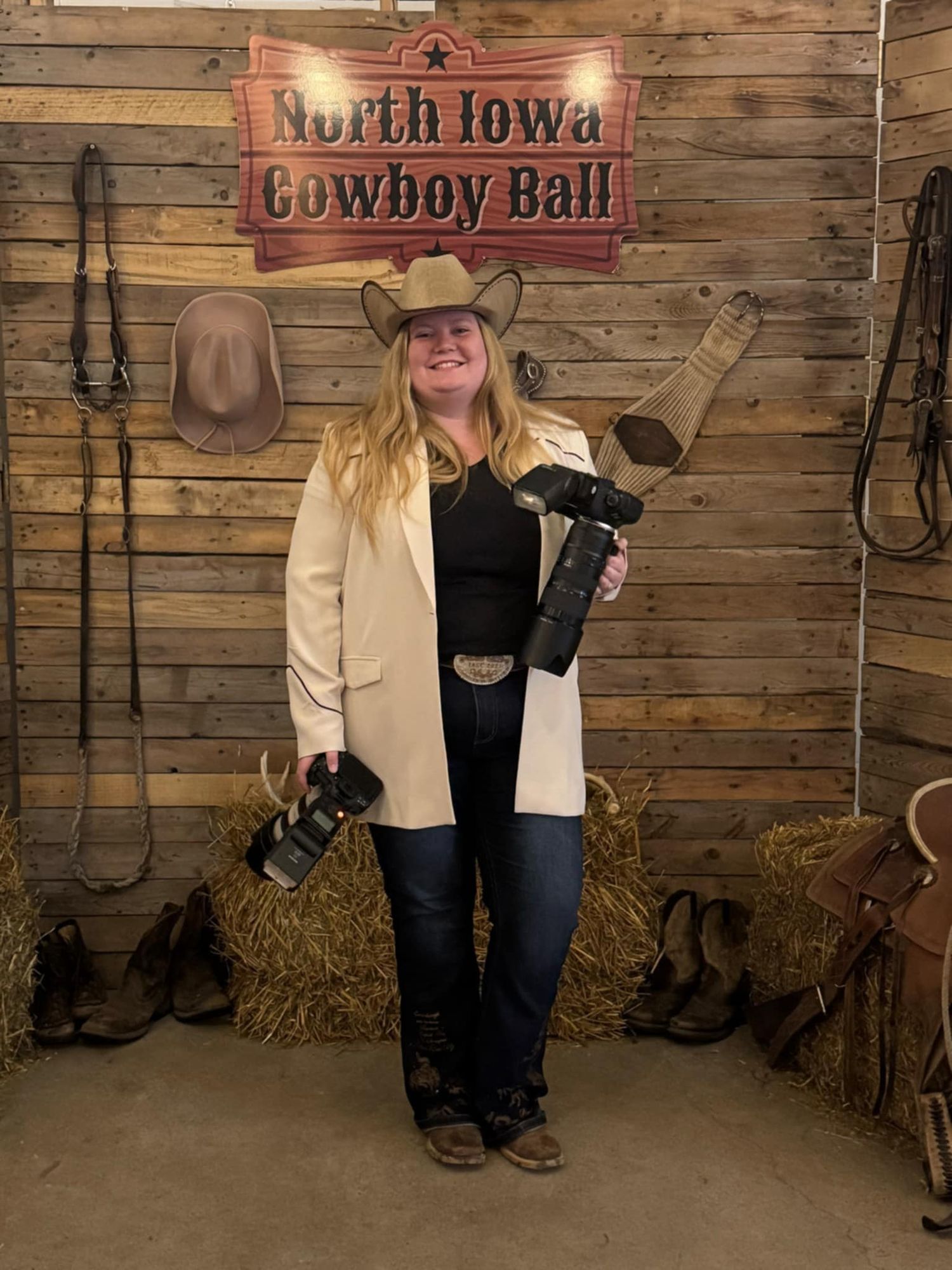
Hi—it’s me, Carsyn, the one writing this. I’m not just the name behind the business—I am the business. And because of that, I work incredibly hard to make sure everything is as close to perfect as I can get it. (What can I say? I’m a perfectionist.)
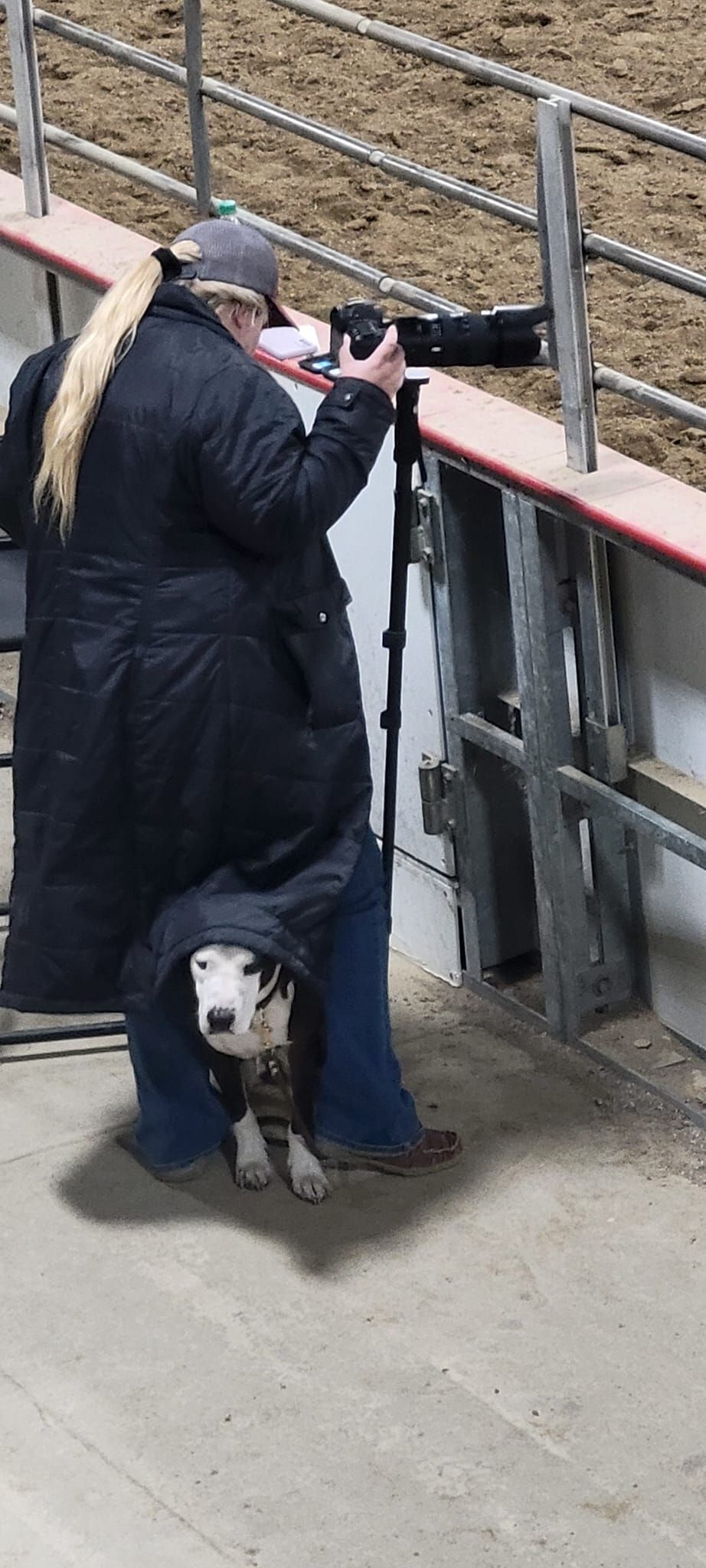
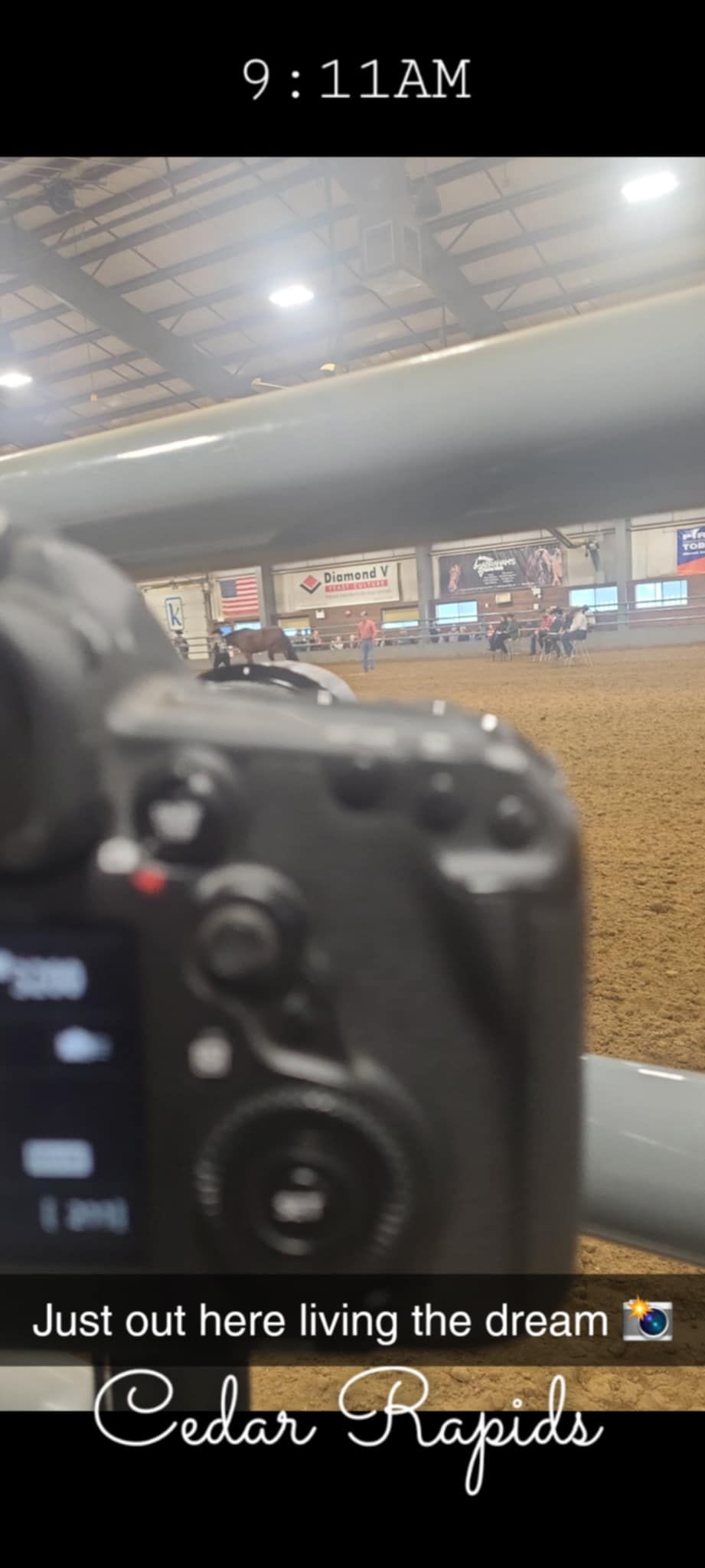
I’m not just shooting photos. I’m managing my team, planning coverage, editing thousands of images, uploading galleries, answering messages, and making sure every rider and horse looks their best. I care deeply about what I put out into the world.
Now, a question I get a lot: “Why didn’t you shoot this class?” or “Why did you leave before the last one ran?” The truth? Sometimes classes don’t run until after midnight. And while I’d love to cover everything, that’s just not feasible or fair—for me or for my team. I’ll push myself, sure, but I won’t ask my help to go without sleep just to keep up. I have to draw a line somewhere to protect everyone’s well-being, including yours. Tired photographers don’t produce great work.
And let’s say I do stay until the bitter end. When I finally leave the showgrounds, it’s not over. I go back to the camper, hotel, or home and start another long shift: finishing the culling, sorting, and uploading images from the last SD cards. Then I take all the candids my second shooter captured, cull, sort, edit, and upload those too. So you can enjoy your favorite moments the very next morning.
After the Show
Once the show ends, my work doesn’t.
I go back through every single image and re-cull them. I don’t want anything that doesn’t meet my quality standards making it into your gallery. Then I match every image to back numbers (and when I can’t see the back number, I get to play “match the horse,” which—let me tell you—takes hours when there are 3,000+ photos to go through).
From there, I upload everything, watermark it, prep the storefront, and make sure it’s ready to go. I finish editing the candids, write and schedule emails and posts, double-check all the details—and usually go to bed around 1 a.m. so I can wake up at 5 a.m., feed my horses, get ready, and drive to my full-time job.
And it doesn’t stop there. In the weeks that follow, I’m still editing mini sessions, fulfilling orders, responding to messages, and trying to keep my personal life afloat in between.
This isn’t about asking for praise or pity—I just want people to understand. And if you’ve made it this far? Thank you. Truly.
If you’ve ever worked a show yourself, you know how much goes into it. And if you haven’t, I hope this gave you a little peek behind the curtain. A little clarity. And maybe—if you’re willing—a big ol’ thank you never hurts. ❤️
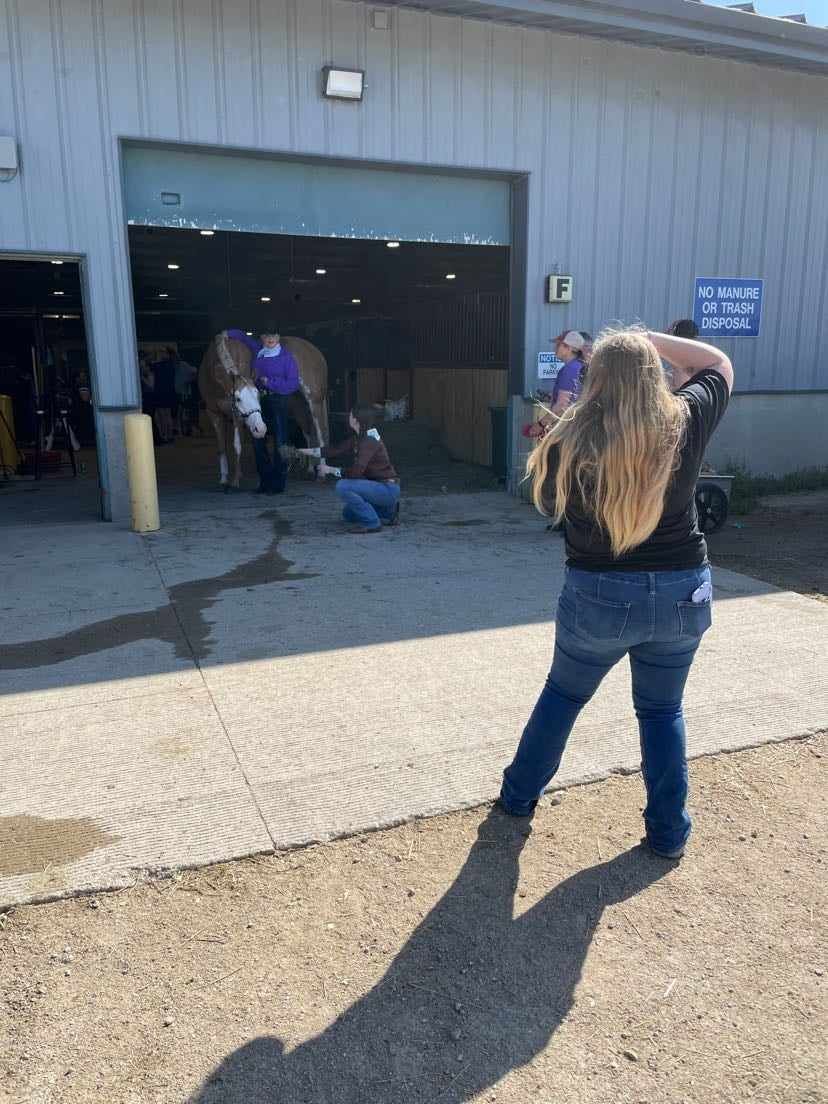
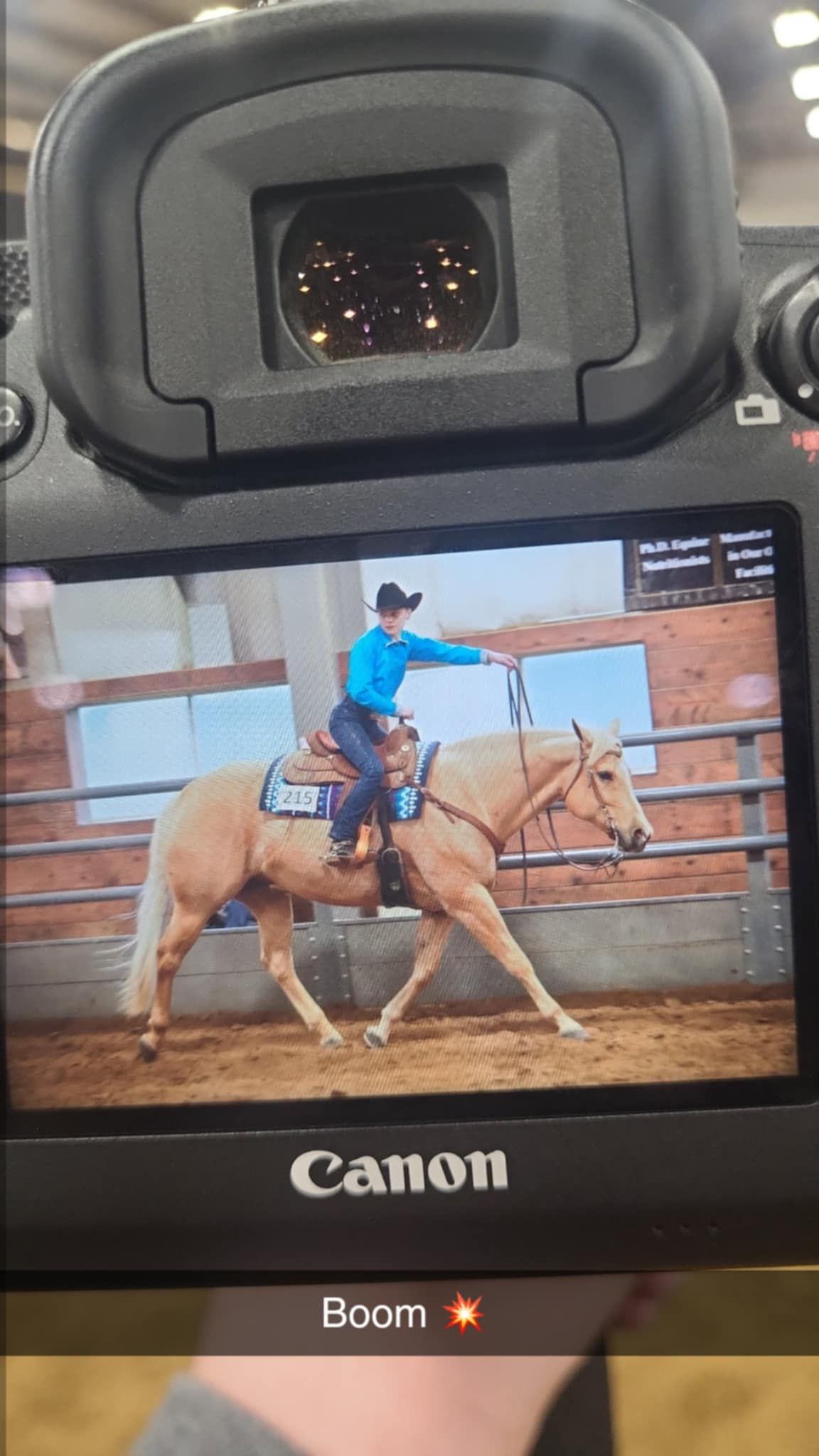
At the end of the day, I do this because I love it. I love the horses, the people, the early mornings, the golden hour light, and even the late nights (well… most of the time). I take pride in what I deliver and the trust you've placed in me to capture these moments—whether it’s your first walk-trot class or your seasoned showmanship performance. So thank you. Thank you for supporting a small business, for understanding the heart and hustle behind the scenes, and for letting me be a part of your show story. I’ll see you at the next one—with a camera in hand, a coffee in the other, and probably a lens cap in my pocket.